
Cut now, burn later: a quick guide to seasoning firewood
20 July 2026 — 3 min read
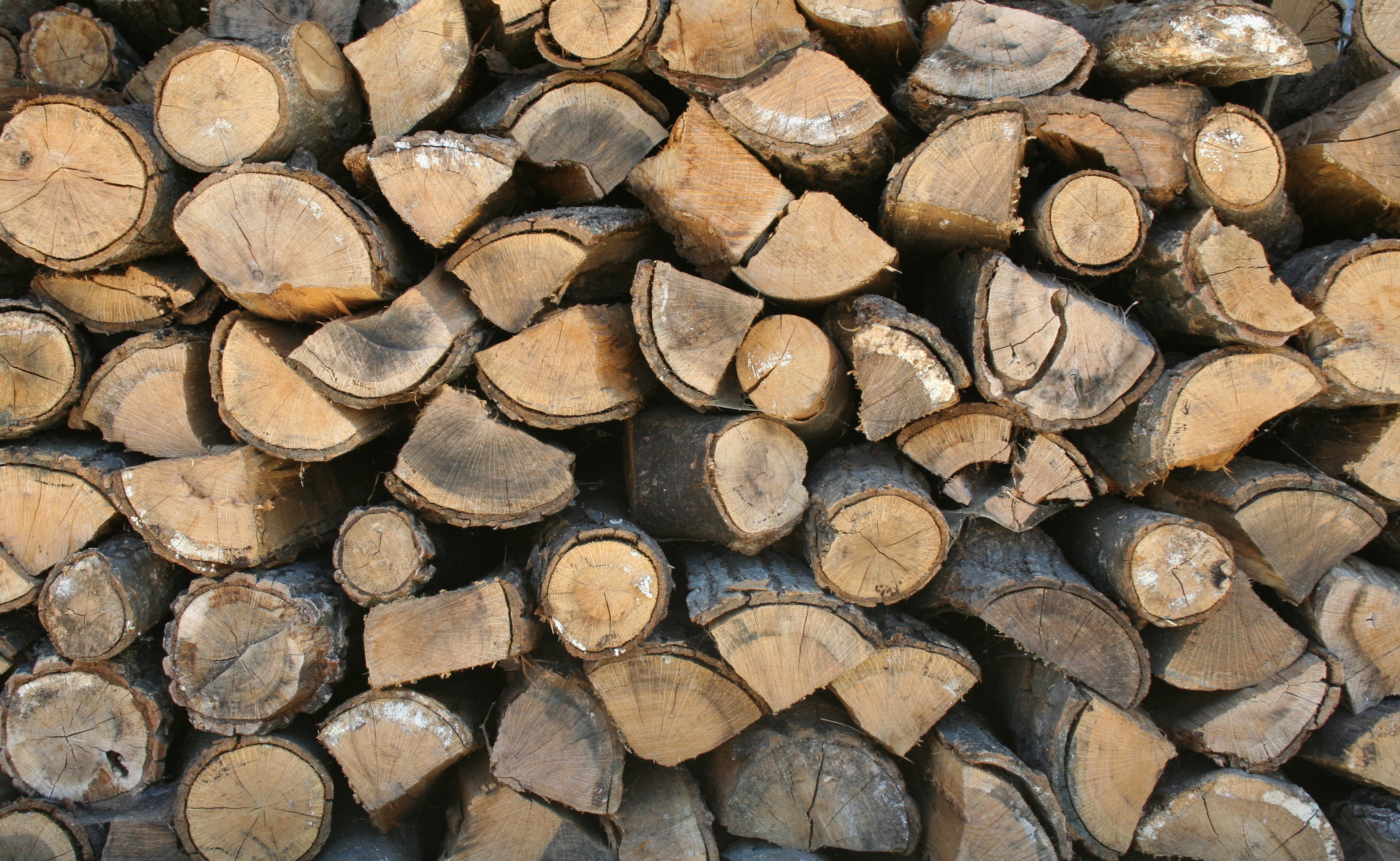
Fresh-cut wood is roughly half water, and water doesn’t burn — it hisses, smokes and coats your flue in creosote. The difference between wood cut last month and wood cut last summer is the difference between a sullen fire and a roaring one. Here’s how to get it right.
Cut to length early
Split wood dries far faster than whole rounds, and rounds dry faster than full trunks. Get timber cut to firebox length and split the big pieces as soon as practical after felling — that’s exactly what our firewood cutting service does on removal jobs.
Stack for breeze, top for rain
Stack off the ground (pallets are perfect), bark-side up on the top row, in a breezy sunny spot. Cover the top against Canterbury southerlies but leave the sides open — airflow does the drying, not heat alone.
Give it a full summer
Dense species like gum, oak and macrocarpa want 9–12 months; pine and poplar can be ready in 6. Wood felled in late winter and stacked over summer burns beautifully the following winter. Knock two pieces together — seasoned wood rings, wet wood thuds.
Know your species
Gum and macrocarpa burn long and hot for overnight embers; pine lights fast and suits mild evenings and kindling. A mixed shed — dense wood plus easy lighters — is the Canterbury sweet spot.
Got a tree coming down? Turn it into next winter’s heat — call 022 342 7507 for a free quote.